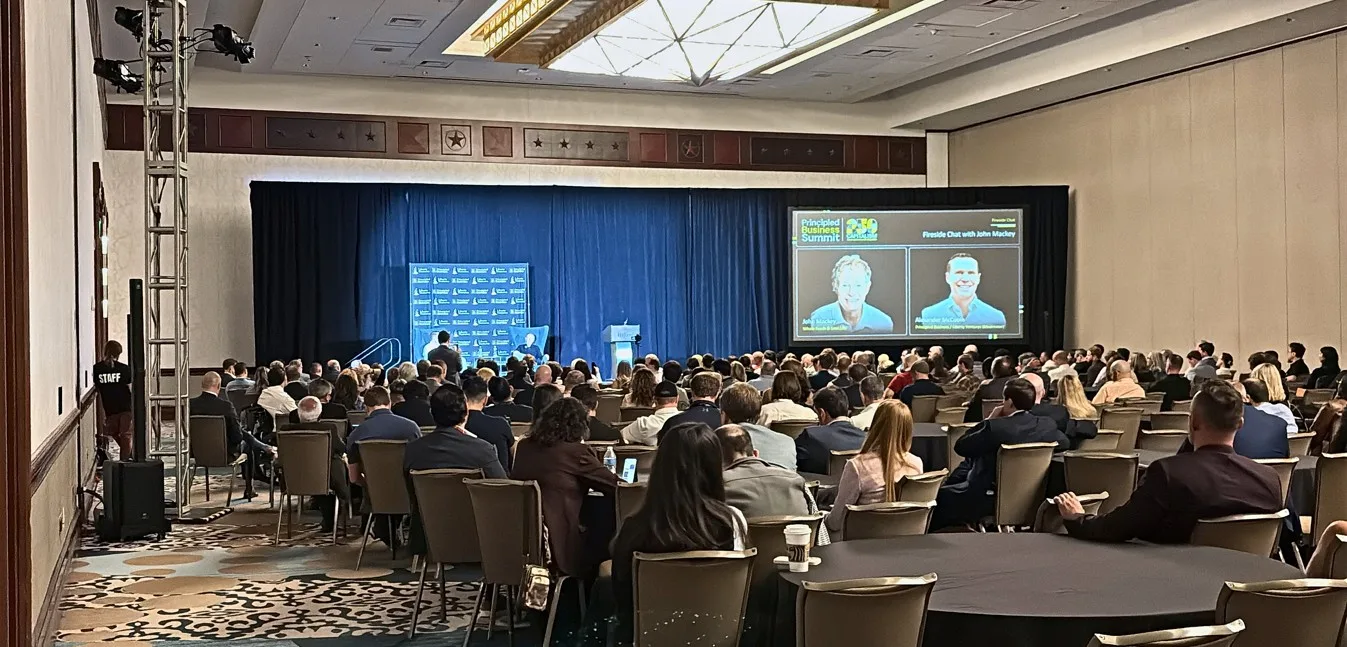
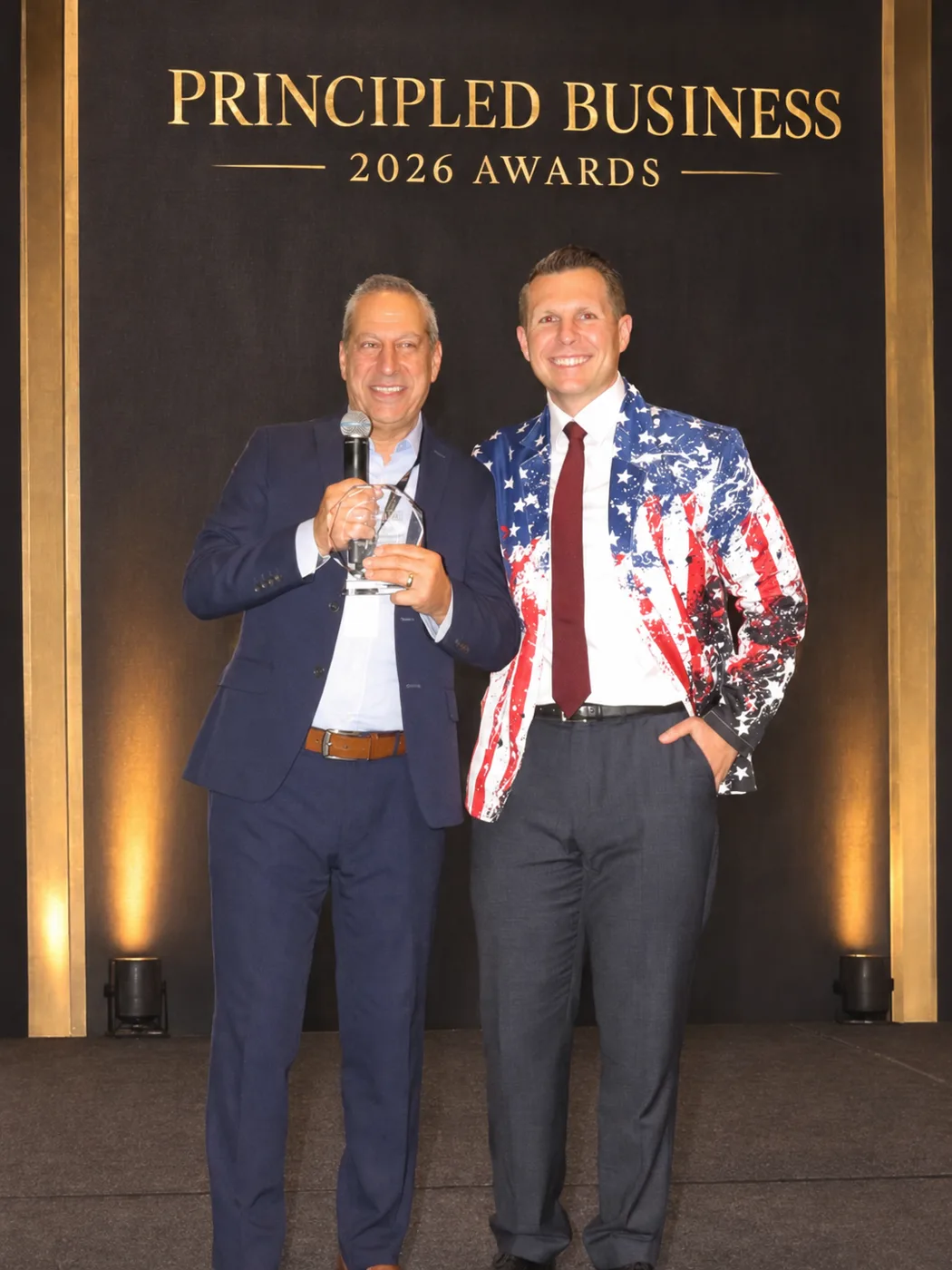
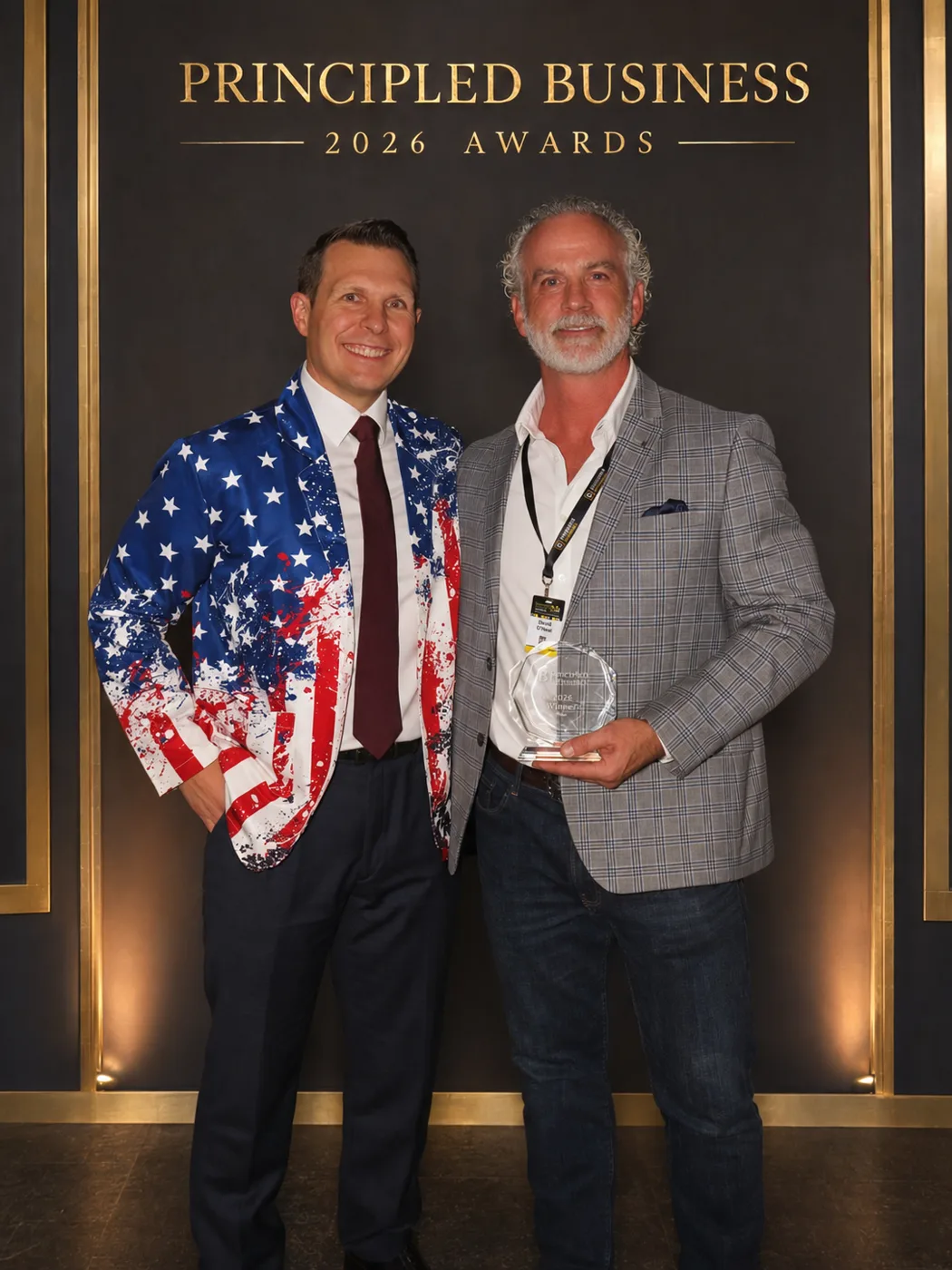
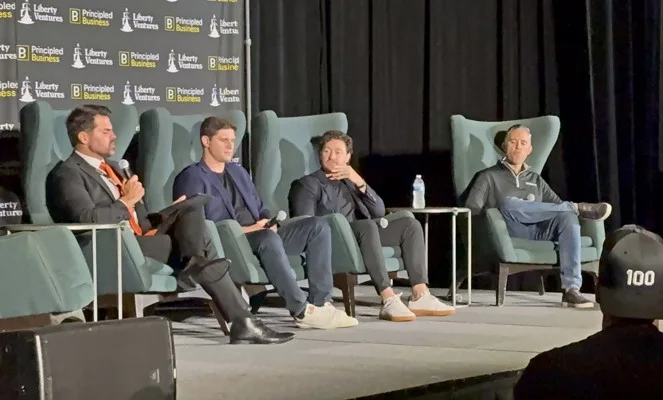
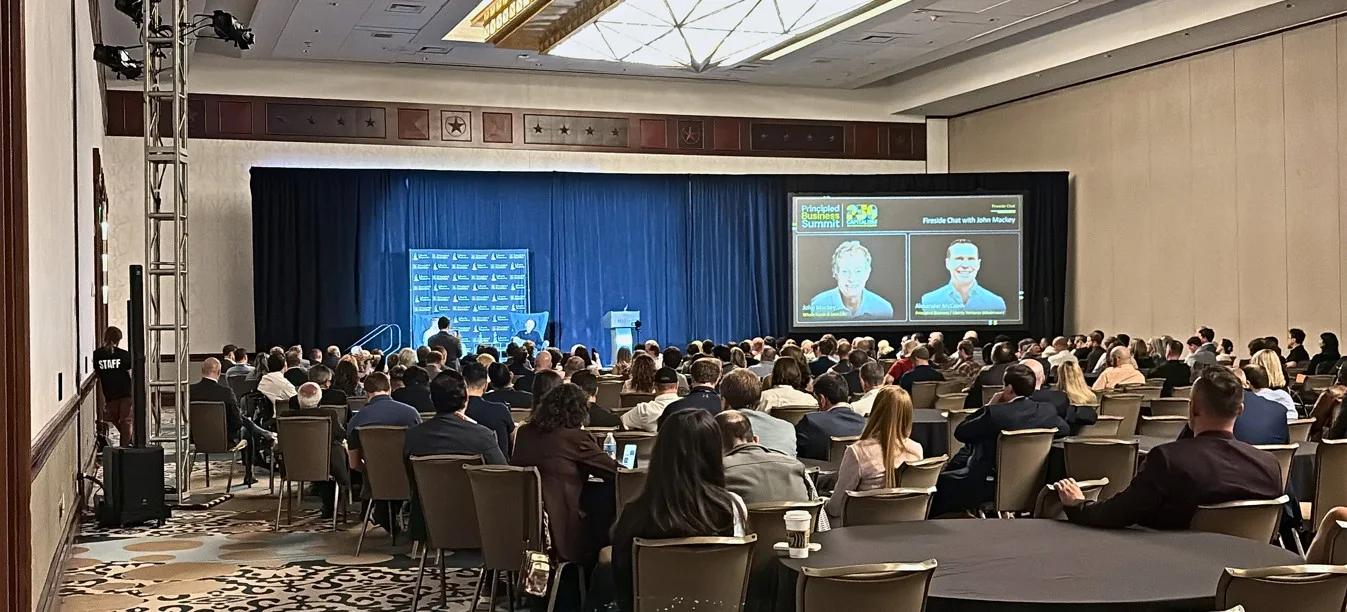
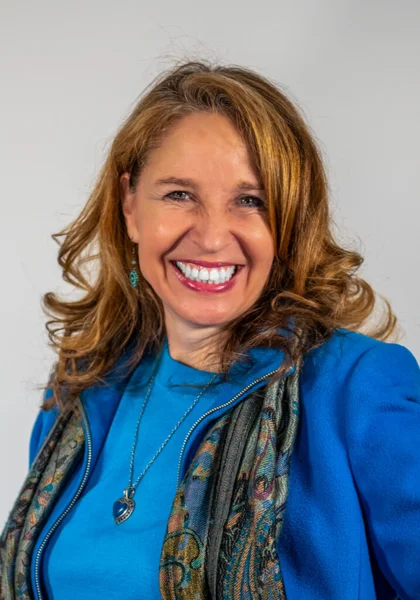
John Mackey, Whole Foods Market co-founder.
"Taking win-win beyond business"
Mackey introduced the Win-Win-Win Revolution, a book he is developing with stakeholder-theory scholar Ed Freeman alongside a new nonprofit and movement. He challenged zero-sum thinking, arguing that free enterprise lets customers, employees, investors and communities benefit together, and asked why the search for shared gains should stop at the boundaries of a company. He brought the idea down to the scale of a deal: look for outcomes the other party can welcome, because relationships continue after a contract is signed.
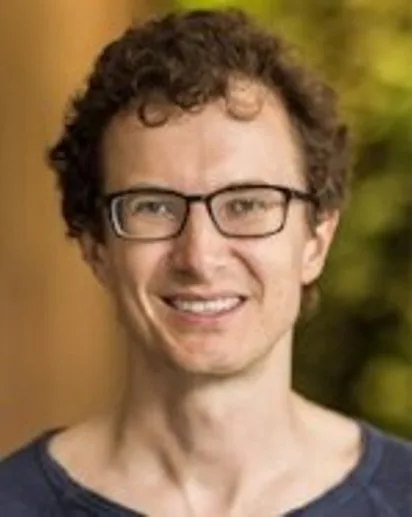
Luke Nosek, PayPal co-founder (surprise guest).
"On PayPal's beginnings"
Nosek spoke about the company's origins and the group of friends whose relationships continued to shape businesses and shared causes long after PayPal. The lesson was the enduring value of building together: trust built through real work makes the next collaboration possible. He also brought a direct opportunity to the network, as he was seeking a chief of staff.
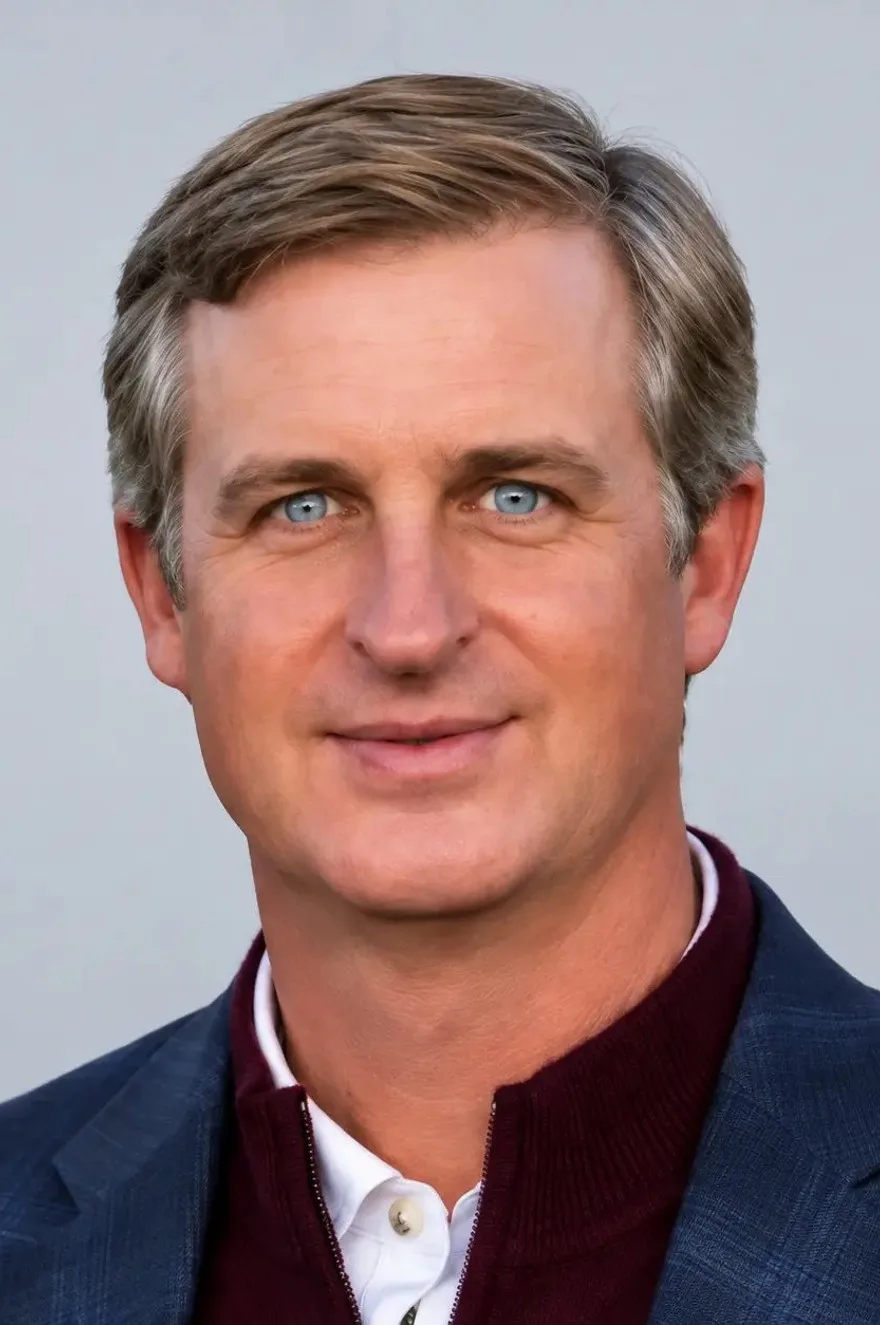
Paul Leggett, Mithril.
"Reserved for the room"
Paul Leggett made a rare speaking appearance and asked to keep his remarks reserved for the room. You had to be there.
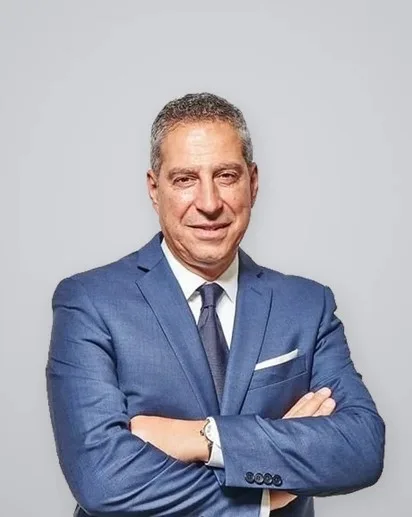
Selim Bassoul, entrepreneur and business leader.
"Building businesses. Restoring dignity."
Bassoul traced his ambition to a promise to his family during Lebanon's civil war, and spoke about dyslexia, ADHD and a teacher whose simple adjustment changed his education. Recalling the growth of Middleby, he described the tension between wanting security and taking the risks growth requires, and shared his clearest operating lesson: hire people stronger than yourself in their specialties and pay them well.
Zachary Levi, actor and entrepreneur.
"A studio, a community, and a human future"
Levi argued that the case for capitalism depends on what businesses create and how they treat people. He described his vision for a studio and creative community near Austin, inspired by Milton Hershey and Walt Disney's original ambition for EPCOT, and made the case for stories that respect the audience and for human-made art as AI-generated entertainment grows.
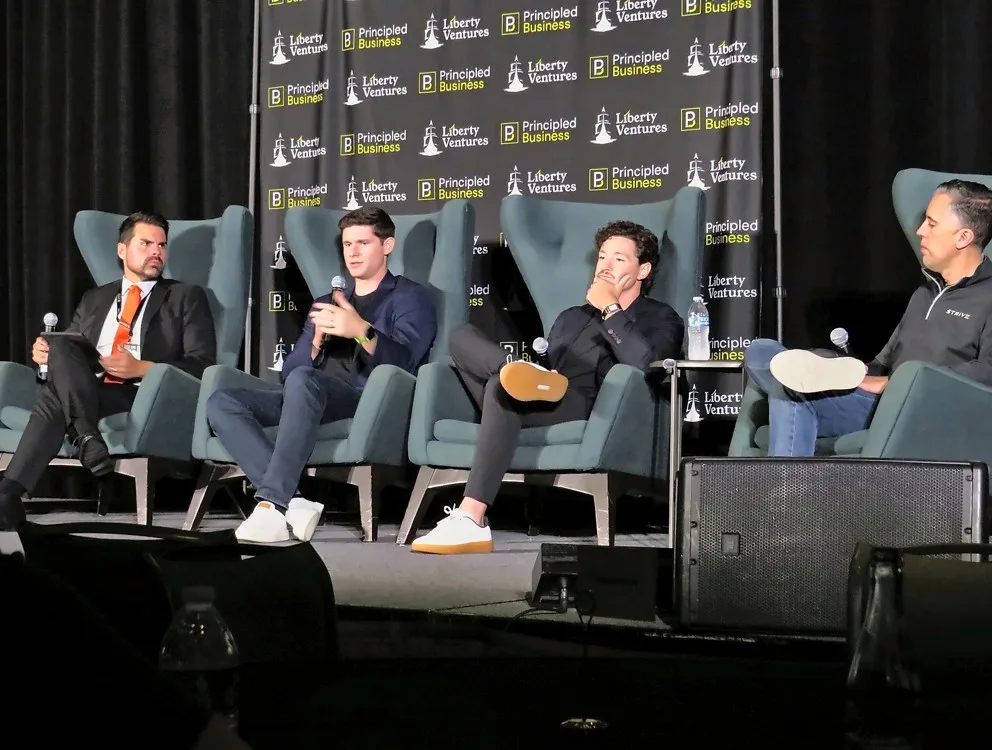
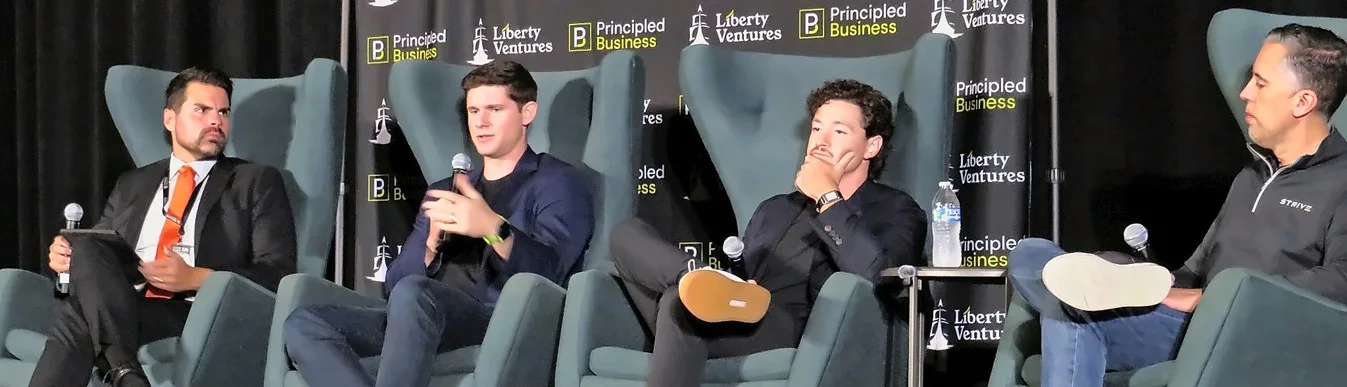
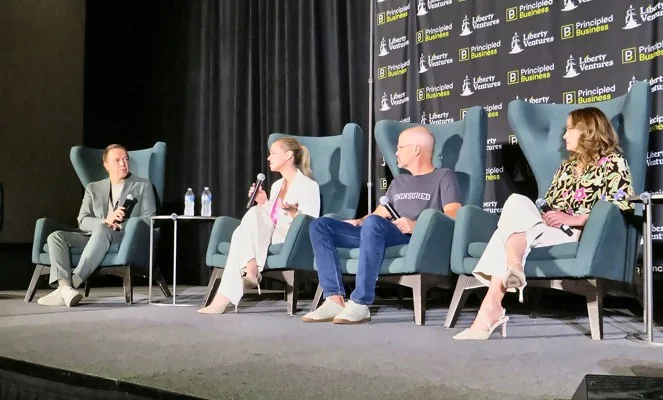
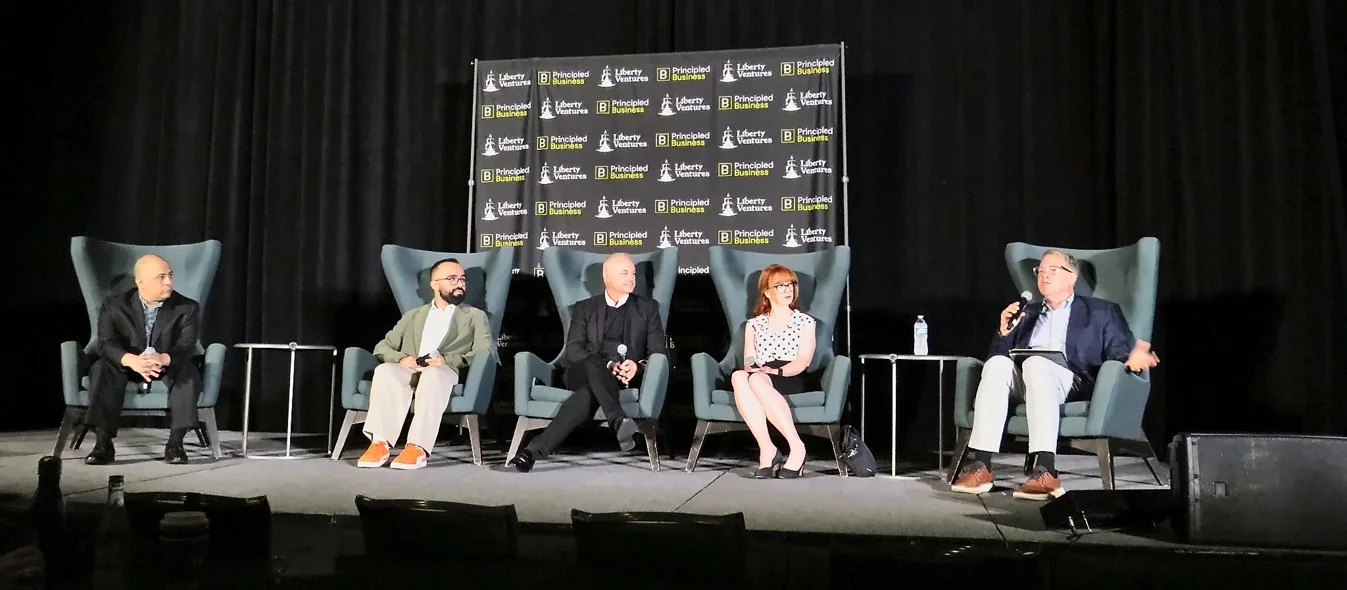
Becoming AI Native (panel).
The panel asked leaders to look beyond faster completion of existing tasks and use AI to develop products, enter markets and give employees more capacity for creative work. A practical warning stood out: time saved does not automatically become business value. Leaders must decide where that capacity goes, and people remain responsible for the quality of the work.
A New Enlightenment (conversation).
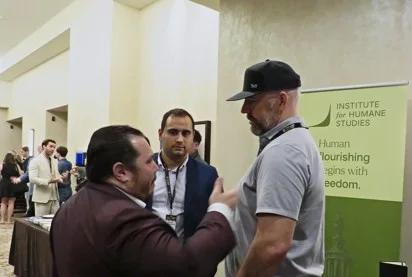
This conversation explored how ideas move from scholarly communities into practical use, built around the image of the coffeehouse where researchers, inventors and entrepreneurs meet. It described the Institute for Humane Studies' effort to connect scholars with people solving problems in housing, energy, technology and public life.