Media

    Recommended Reading

    Books, articles and videos that explain the principles behind Principled Business: individual agency, value creation, the opportunity to create, collaboration, bottom-up experimentation and aligned interests.

    Books

    Foundational and practical books on free enterprise, entrepreneurship and principled leadership.

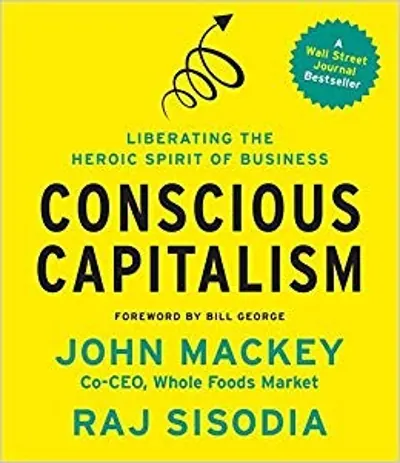
    Cover of Conscious Capitalism by John Mackey and Raj Sisodia

    Conscious Capitalism

    John Mackey and Raj Sisodia

    In Conscious Capitalism, Whole Foods Market co-founder John Mackey and professor Raj Sisodia argue that business is a powerful force for human flourishing when it serves a higher purpose. They describe four tenets: higher purpose, stakeholder integration, conscious leadership and conscious culture. The book shows how creating value for customers, employees, suppliers, investors and communities at the same time builds stronger companies. It is a practical guide to the principle that profit and purpose reinforce each other.

    View book
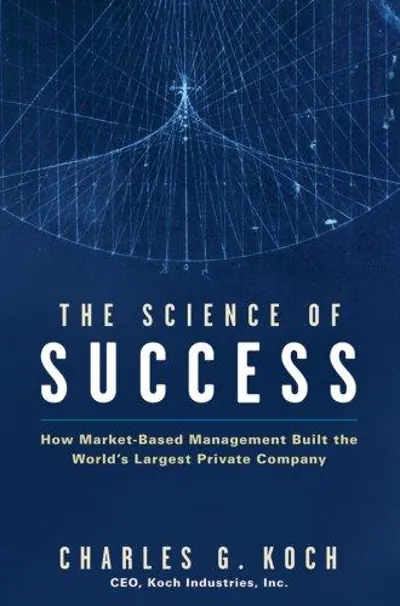
    Cover of The Science of Success by Charles G. Koch

    The Science of Success

    Charles G. Koch

    Charles Koch, chairman and CEO of Koch Industries, explains Market-Based Management, the philosophy he developed to run his company. He applies the ideas that make free societies prosper, such as clear decision rights, incentives tied to value creation, and the free sharing of knowledge, inside a single organization. The book connects economic principles to everyday management decisions. It is a useful model for leaders who want their companies to reward individual agency and bottom-up experimentation.

    View book
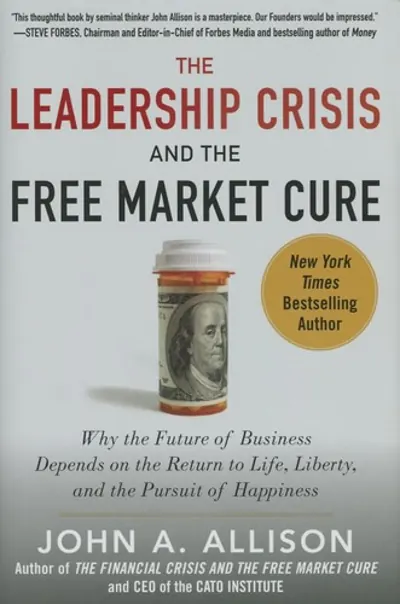
    Cover of The Leadership Crisis and the Free Market Cure by John A. Allison

    The Leadership Crisis and the Free Market Cure

    John A. Allison

    John Allison led BB&T for two decades and later served as president of the Cato Institute. In this book he argues that the 2008 financial crisis was driven by policy failures, and that the answer is principled leadership grounded in purpose, reason and integrity. He describes the values that guided BB&T and shows how the same values support free markets. Leaders will find a direct link between personal character and lasting business success.

    View book
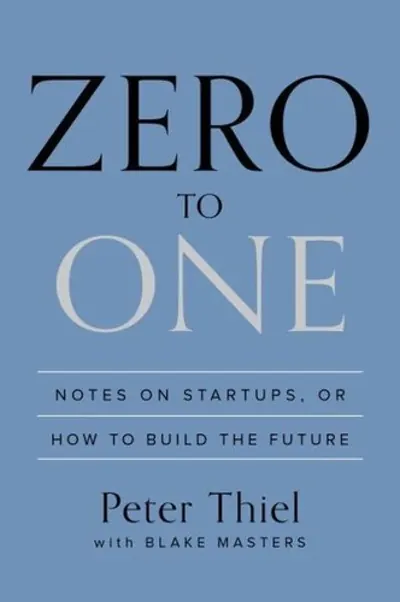
    Cover of Zero to One by Peter Thiel with Blake Masters

    Zero to One

    Peter Thiel with Blake Masters

    Based on the Stanford course he taught on startups, Peter Thiel's book argues that real progress comes from creating something new rather than copying what already works. Written with Blake Masters, it explains why founders should aim for unique products, how monopoly profits can reward innovation, and why the future must be built deliberately. It is a sharp reminder that entrepreneurs who create new value drive the opportunity to create for everyone else.

    View book
    Portrait of Deirdre McCloskey

    Photo: Policy Exchange, CC BY 2.0, via Wikimedia Commons

    Bourgeois Dignity

    Deirdre N. McCloskey

    Economic historian Deirdre McCloskey asks why incomes rose so dramatically after 1800. She examines and rejects explanations based on capital accumulation, trade, exploitation and institutions alone. Her answer is a change in rhetoric and ideas: society began to accord dignity and liberty to merchants, inventors and ordinary people who tried new things. The book is part of her trilogy on the bourgeois era and shows why respect for commerce matters.

    View book
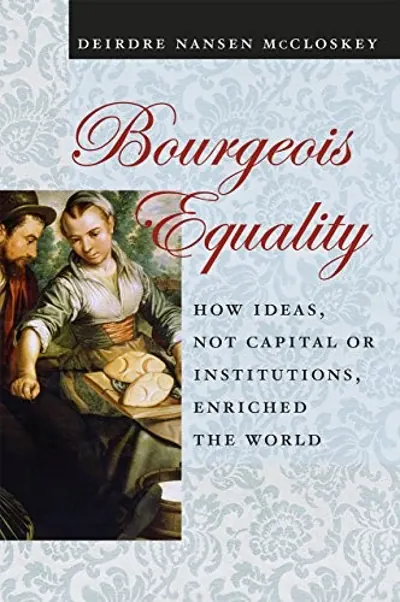
    Cover of Bourgeois Equality by Deirdre N. McCloskey

    Bourgeois Equality

    Deirdre N. McCloskey

    The final volume of McCloskey's trilogy argues that ideas, not capital or institutions alone, caused the Great Enrichment that lifted billions out of poverty. When ordinary people gained liberty and social dignity, they were free to test new ideas in the market. McCloskey calls the result trade-tested betterment. For business leaders, the book shows why a culture that honors innovation and voluntary exchange is the foundation of widespread prosperity.

    View book
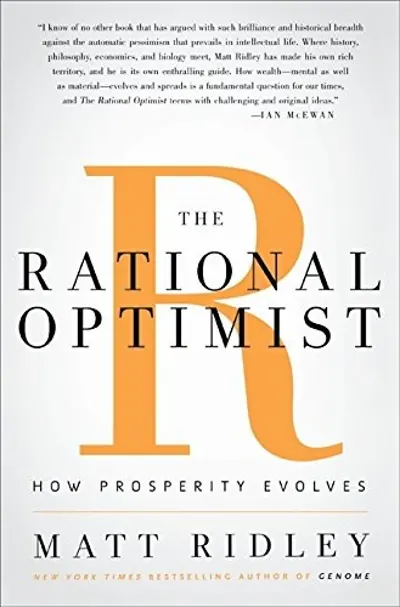
    Cover of The Rational Optimist by Matt Ridley

    The Rational Optimist

    Matt Ridley

    Science writer Matt Ridley traces the long rise of human prosperity to exchange and specialization. He argues that when ideas meet and mate through trade, innovation accelerates and living standards improve. Drawing on history, biology and economics, he makes the case that the world has grown richer, healthier and safer, and that there are good reasons to expect progress to continue. It is a hopeful account of collaboration through markets.

    View book
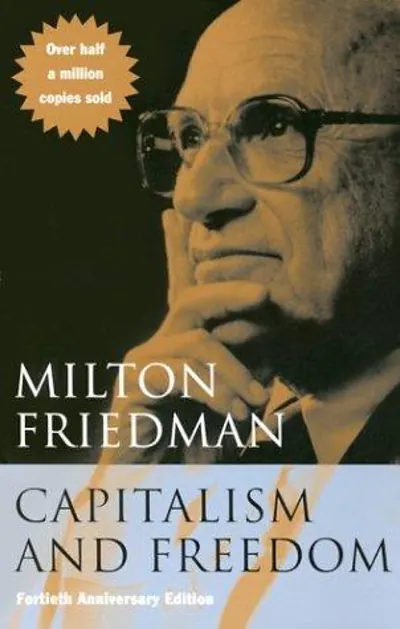
    Cover of Capitalism and Freedom by Milton Friedman

    Capitalism and Freedom

    Milton Friedman

    First published in 1962, Milton Friedman's classic argues that economic freedom is both a part of freedom itself and a necessary condition for political freedom. He explains how competitive markets disperse power and protect individuals, and he proposes market alternatives in areas such as education and money. The book remains one of the clearest introductions to the case that free enterprise supports a free society, and it is still widely taught.

    View book
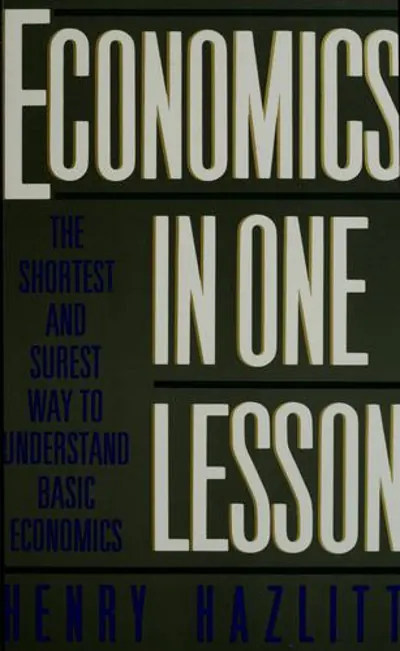
    Cover of Economics in One Lesson by Henry Hazlitt

    Economics in One Lesson

    Henry Hazlitt

    Henry Hazlitt's 1946 book teaches one core lesson: good economics looks beyond the immediate effects of a policy on one group to its longer-term effects on everyone. He applies that lesson to tariffs, price controls, minimum wages, public works and more. Short chapters and plain language make it an ideal starting point for business leaders who want to spot unseen costs. The Foundation for Economic Education offers it free.

    View book
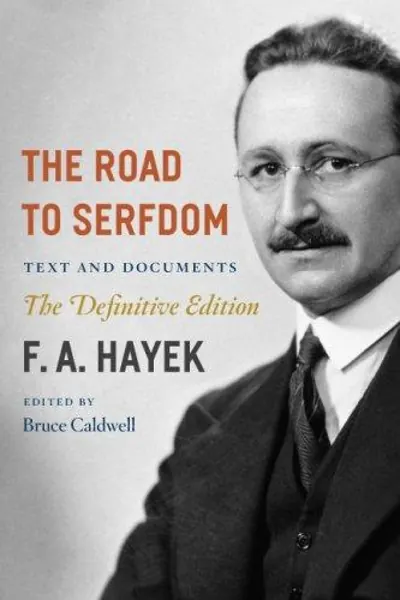
    Cover of The Road to Serfdom by F. A. Hayek

    The Road to Serfdom

    F. A. Hayek

    Written during the Second World War, F. A. Hayek's The Road to Serfdom warns that central economic planning concentrates power and erodes individual liberty, even when planners mean well. Hayek explains why a free society depends on general rules that let people pursue their own plans. The University of Chicago Press Definitive Edition includes his later prefaces. The book remains essential reading on why decentralized decision making protects both freedom and prosperity.

    View book
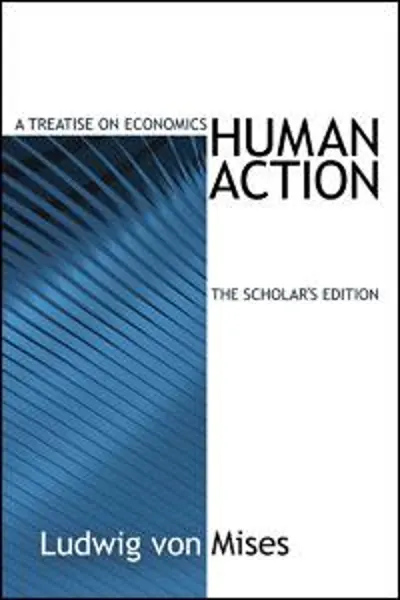
    Cover of Human Action by Ludwig von Mises

    Human Action

    Ludwig von Mises

    Ludwig von Mises's treatise, first published in English in 1949, builds economics from the logic of purposeful human action. Mises explains how individuals choose, how market prices emerge from those choices, and why entrepreneurs who anticipate consumer wants guide the use of resources. It is a demanding but rewarding work for leaders who want to understand the entrepreneur's role in a free economy. The Mises Institute offers the full text online.

    View book
    Cover of Beyond Empowerment: The Age of the Self-Managed Organization by Doug Kirkpatrick

    Beyond Empowerment: The Age of the Self-Managed Organization

    Doug Kirkpatrick

    Doug Kirkpatrick helped build the self-managed model at Morning Star, the tomato processing company where colleagues work without bosses or titles. In this book he shows how organizations can run on voluntary commitments, peer accountability and personal responsibility instead of command and control. He shares practical lessons on how self-management works day to day. It is a concrete example of individual agency and aligned interests applied inside a company.

    View book
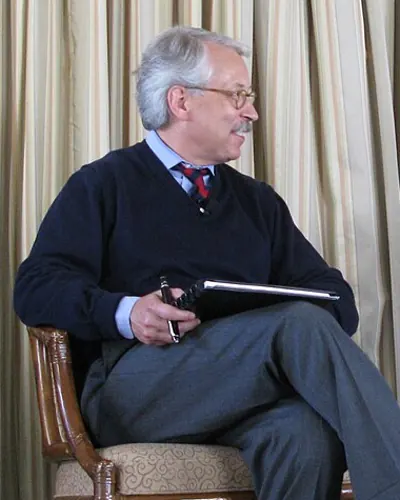
    Portrait of Gary Hamel

    Photo: Steve Jurvetson, CC BY 2.0, via Wikimedia Commons (cropped)

    Humanocracy

    Gary Hamel and Michele Zanini

    Gary Hamel and Michele Zanini estimate the large cost of bureaucracy to organizations and the economy, and offer a blueprint for replacing it. They profile companies such as Haier and Nucor that push decisions to the front line and treat employees like owners. The book makes the case that organizations should be as capable and inspired as the people inside them. It is a guide to bottom-up experimentation at scale.

    View book
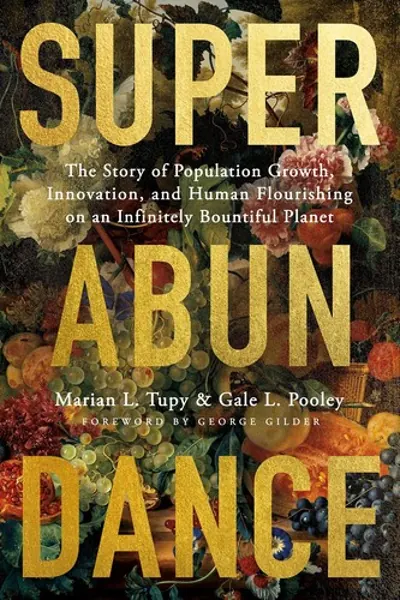
    Cover of Superabundance by Marian L. Tupy and Gale L. Pooley

    Superabundance

    Marian L. Tupy and Gale L. Pooley

    Marian Tupy and Gale Pooley measure the price of hundreds of commodities, goods and services in terms of the time it takes to earn them. Their data show that resources have become more abundant as the population has grown. They argue this happens because free people create more ideas and innovations than they consume. The book offers a data-driven case that freedom and human creativity make the world richer over time.

    View book

    Articles

    Short essays and speeches you can read in one sitting.

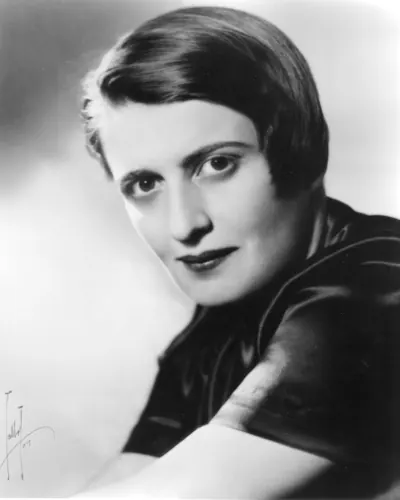
    Portrait of Ayn Rand

    Photo: Talbot, 1943, public domain, via Wikimedia Commons

    Francisco d'Anconia's Money Speech (The Meaning of Money)

    Ayn Rand, from Atlas Shrugged

    In Ayn Rand's novel Atlas Shrugged, the industrialist Francisco d'Anconia answers a guest who repeats that money is the root of all evil. His speech argues that money is a tool of exchange that rests on production, and that it can only exist among people who create value and trade it voluntarily. The Ayn Rand Institute's ARI Campus presents it as The Meaning of Money. It is a concise moral defense of earning.

    Read
    Cover of I, Pencil by Leonard E. Read

    I, Pencil

    Leonard E. Read

    Leonard Read wrote I, Pencil in 1958 in the voice of an ordinary pencil. The pencil explains that no single person knows how to make it, from cutting cedar to mining graphite. Instead, millions of people cooperate through markets, each contributing a small piece of knowledge, with no one directing them. It is one of the best short illustrations of spontaneous order and collaboration. FEE publishes it free online.

    Read
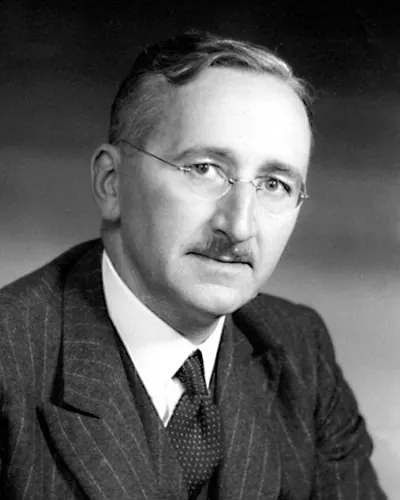
    Portrait of F. A. Hayek

    Photo: DickClarkMises, CC BY-SA 3.0, via Wikimedia Commons

    The Use of Knowledge in Society

    F. A. Hayek

    Published in the American Economic Review in 1945, Hayek's essay explains that the knowledge needed to run an economy is dispersed among many people and cannot be gathered by any one planner. Prices act as a signal that coordinates this knowledge, letting people adjust to changes they never see directly. The essay is among the most cited in economics and explains why decentralized decisions, inside markets and organizations, often outperform central control.

    Read
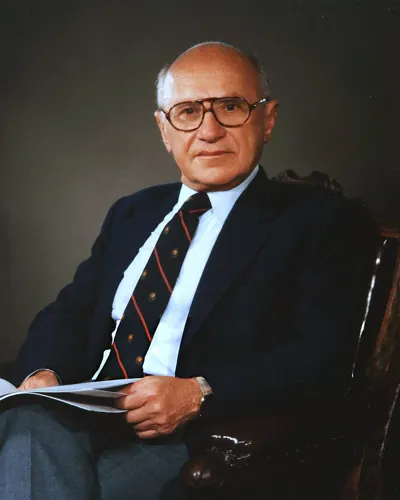
    Portrait of Milton Friedman

    Photo: Bachrach Studios, public domain, via Wikimedia Commons

    The Social Responsibility of Business Is to Increase Its Profits

    Milton Friedman, The New York Times, 1970

    Milton Friedman's 1970 essay in The New York Times Magazine argues that a corporate executive is an employee of the owners and should run the business in line with their wishes, which generally means making as much money as possible while following the rules of society. Friedman warns against executives spending other people's money on their own social goals. It is the starting point for nearly every modern debate on corporate social responsibility.

    Read
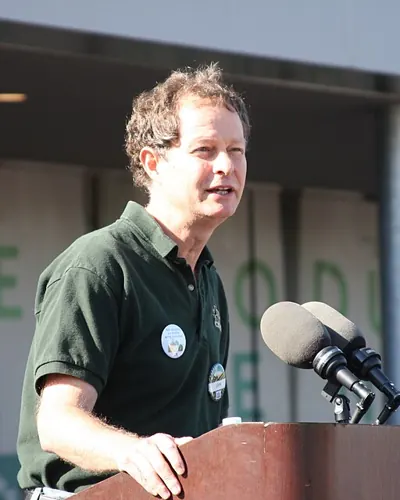
    Portrait of John Mackey

    Photo: Joe M500, CC BY 2.0, via Wikimedia Commons

    Rethinking the Social Responsibility of Business

    John Mackey, Milton Friedman and T. J. Rodgers, Reason, 2005

    In this 2005 Reason debate, Whole Foods co-founder John Mackey argues that business should create value for all its stakeholders, not only shareholders. Milton Friedman responds that Mackey's approach is often good business consistent with profit seeking, and Cypress Semiconductor founder T. J. Rodgers defends a stricter shareholder view. Reading all three side by side shows thoughtful advocates of free markets working through what responsible business really means.

    Read
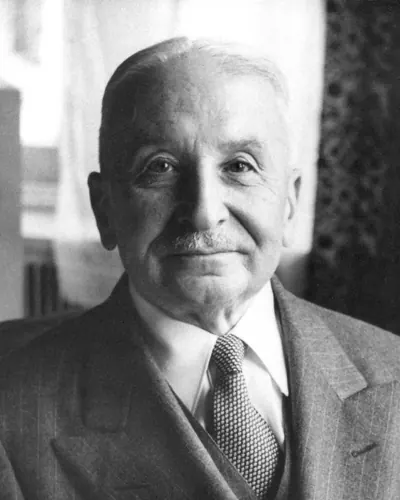
    Portrait of Ludwig von Mises

    Photo: Ludwig von Mises Institute, CC BY-SA 3.0, via Wikimedia Commons

    Economic Calculation in the Socialist Commonwealth

    Ludwig von Mises

    In this 1920 essay, Ludwig von Mises argues that without private ownership of the means of production there are no market prices for capital goods, and so planners cannot calculate which uses of resources create value and which waste them. The argument launched the socialist calculation debate. For business leaders, it explains why prices and profit and loss are essential information. The Mises Institute offers the essay as a free PDF.

    Read

    Videos

    Lectures and talks that bring these ideas to life.

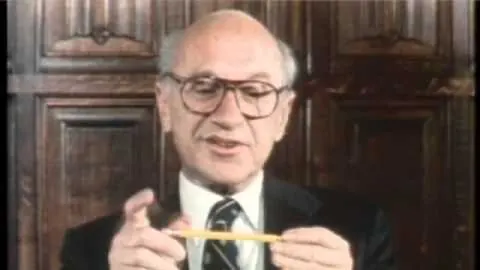
    Video thumbnail for I, Pencil

    I, Pencil

    Milton Friedman

    In this short clip, Milton Friedman holds up an ordinary pencil and explains that no single person in the world could make it alone. The wood, graphite, rubber and paint come from people in many countries who do not know each other and may not share beliefs. Prices and voluntary exchange let them cooperate peacefully. It is a memorable short lesson in how markets coordinate knowledge and promote harmony.

    Watch
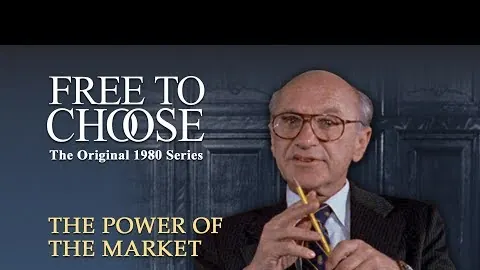
    Video thumbnail for Free to Choose, Episode 1: The Power of the Market

    Free to Choose, Episode 1: The Power of the Market

    Milton Friedman, 1980

    The Power of the Market is the first episode of Free to Choose, the 1980 television series Milton Friedman made with Rose Friedman for PBS. Friedman follows a pencil and other goods to show how voluntary exchange and the price system let millions of people work together and improve their own lives. The episode remains an accessible introduction to how free markets create opportunity and why economic freedom matters.

    Watch
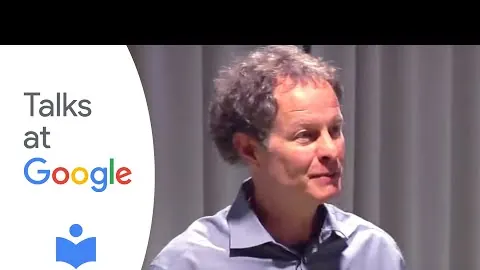
    Video thumbnail for Conscious Capitalism, Talks at Google

    Conscious Capitalism, Talks at Google

    John Mackey

    Speaking at Google, Whole Foods Market co-founder John Mackey presents the ideas in Conscious Capitalism. He describes how businesses with a higher purpose create value for customers, team members, suppliers, investors and communities at once, and why he sees business as a heroic force for good. The talk is an engaging companion to the book and a useful case for aligned interests among stakeholders.

    Watch
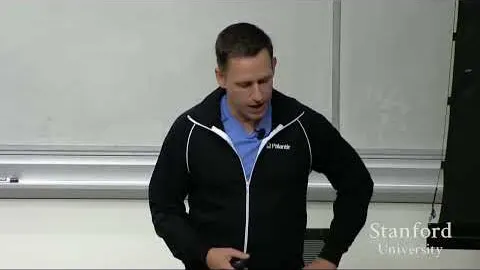
    Video thumbnail for Competition Is for Losers

    Competition Is for Losers

    Peter Thiel, Stanford CS183B

    In this lecture for Stanford's CS183B course on starting a startup, Peter Thiel explains why he believes competition is for losers. He argues that founders should build something unique that can earn lasting profits, rather than fighting in crowded markets where profits are competed away. The talk previews ideas from Zero to One and is a provocative guide to creating new value instead of copying existing products.

    Watch
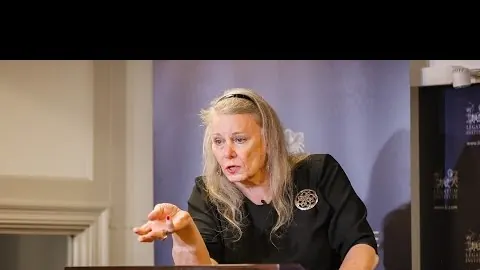
    Video thumbnail for Bourgeois Equality: How Ideas, Not Capital, Changed the World

    Bourgeois Equality: How Ideas, Not Capital, Changed the World

    Deirdre McCloskey

    Deirdre McCloskey summarizes the argument of her book Bourgeois Equality: that ideas, not capital or institutions alone, explain the Great Enrichment since 1800. She describes how liberty and social dignity for ordinary people let them try new things, and how trade-tested betterment followed. The lecture is a lively way to understand why the respect a society gives to commerce and innovation shapes its prosperity.

    Watch
    Video thumbnail for Good Profit, Uncommon Knowledge

    Good Profit, Uncommon Knowledge

    Charles Koch with Peter Robinson

    On the Hoover Institution's Uncommon Knowledge, Peter Robinson interviews Charles Koch about his book Good Profit. Koch explains how he applied classical liberal principles to build Koch Industries, and why he believes profit is good only when it comes from creating real value for customers and society. The conversation is a direct look at principled entrepreneurship from one of America's most successful business leaders.

    Watch